
We are living through the great surrender of the American male wardrobe. Grown men now appear in restaurants, airports, hotels, offices and even churches dressed as though they are either going to the gym or about to mow the lawn. Hoodies have replaced jackets. Sneakers accompany everything. Sweatpants have been rebranded as “athleisure”, an ingenious marketing term designed to persuade men that pajamas are acceptable public attire which the most certainly are not. The ubiquitous baseball cap, often worn backward by men old enough to know better, completes the regression. Somewhere along the way, comfort ceased to mean clothing that fits properly and came to mean dressing like an adolescent.
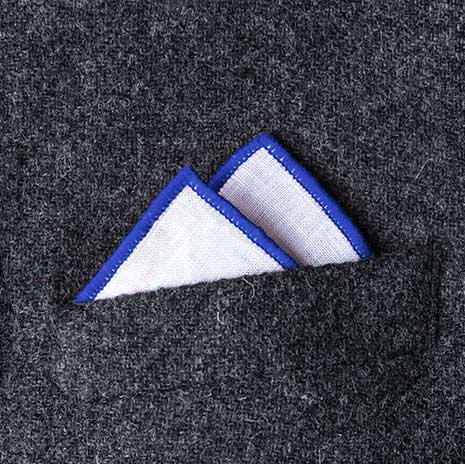
Dapper dressing is the antidote. A gentleman understands that clothes are not merely something thrown over the body before leaving the house. They communicate discipline, judgment, self-respect, and consideration for the occasion. A beautifully cut jacket, polished shoes, a proper shirt collar, a pocket square, and, when appropriate, an ascot demonstrate that a man has made an effort. Few accessories convey cultivated individuality as effectively as the ascot. Let me stress they are not for every man but some can get away with it without looking like a fop.
The ascot is not simply an eccentric alternative to the necktie. It belongs to a tradition centuries older than the modern four in hand. Its ancestry is traced to the cravat and the distinctive neckcloths worn by Croatian soldiers who appeared in France during the 17th century. The French adopted the fashion, and the word cravate derives from their term for Croat. What began as military neckwear soon migrated into European society, where gentlemen discovered that the cloth around a man’s neck could become an expression of rank, taste, and personality.
By the time the Regency period began in Great Britain on February 5, 1811 and lasted to January 29, 1820 when the Prince of Wales ruled Great Britain as Regent due to his father, King George III’s, mental illness the cravat had become an essential element of masculine elegance.
George Bryan “Beau” Brummell, the great English arbiter of style, transformed the ascot’s arrangement into an art. Brummell rejected the gaudy excesses of 18th century aristocratic dress in favor of immaculate tailoring, restrained colors, polished boots, cleanliness, and an exquisitely tied white cravat. His influence established a principle that remains true today: real elegance depends less upon ornamentation than fit, proportion, quality, and attention to detail. Brummell would famously tie and discard a dozen cravats until he tied one just right.
The ascot as we recognize it today emerged during the nineteenth century and took its name from its association with Ascot, the celebrated English race meeting founded under the patronage of Queen Anne in 1711. By the Victorian era, Royal Ascot had become as much a theater of British society as a sporting event. The horses raced, fortunes were wagered, and the assembled gentlemen and ladies provided their own spectacle of rank, fashion, and manners.
By the late nineteenth century, the ascot had become fashionable daytime neckwear. Its broad ends were crossed over the shirt front and often secured with a discreet stickpin. Worn with a morning coat or other formal day clothes, it provided more visual substance than the increasingly common long tie while allowing handsome silks and subtle patterns to complement the ensemble. A well-arranged ascot suggested that its wearer possessed not only the means to dress well, but the judgment to do so. By the 1920’s the ascot worn over a winged collar was limited to formal occasions like weddings.
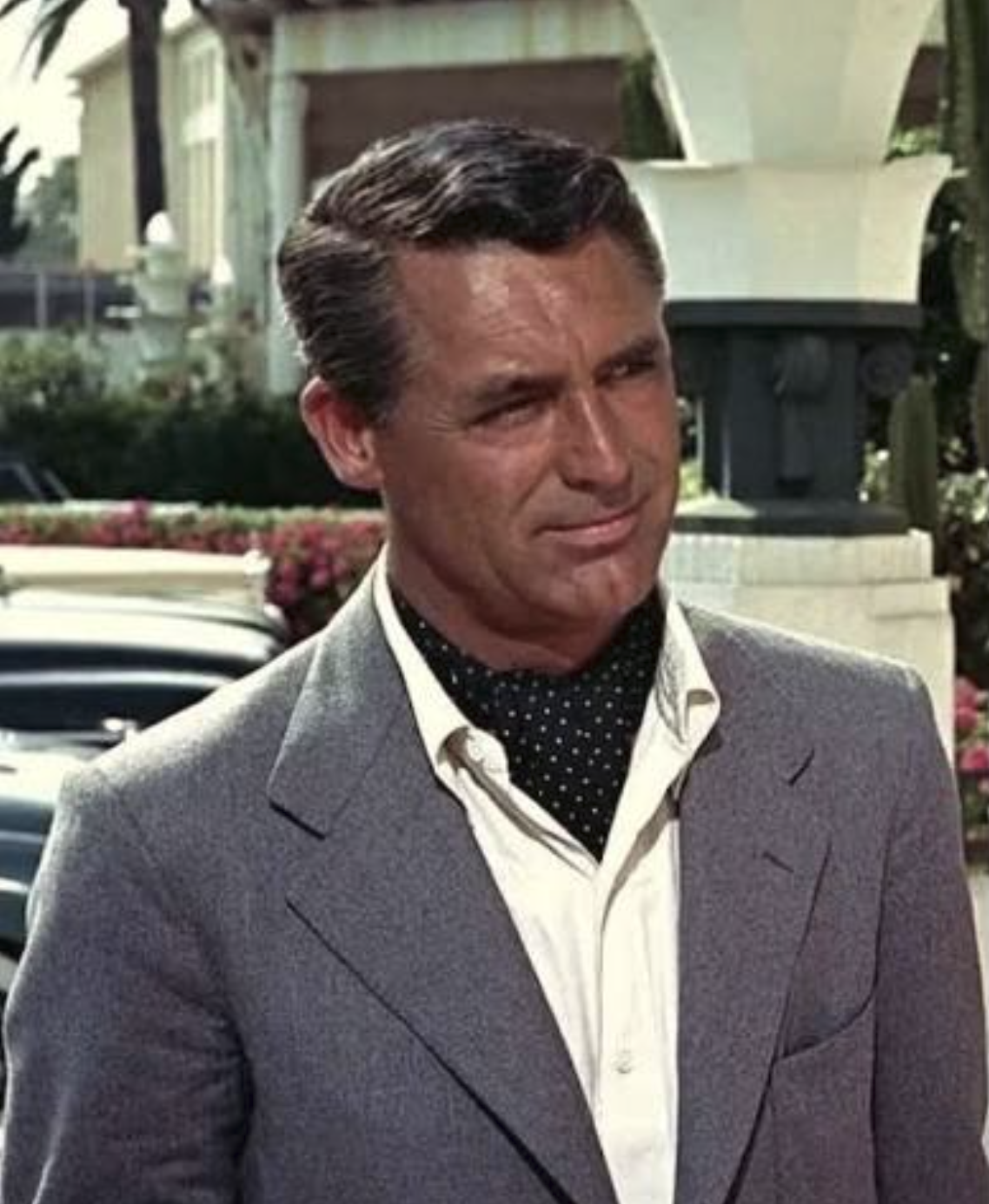
The twentieth century brought the triumph of the conventional necktie in business, government, and professional life, pushing the ascot over the collar from everyday use. Yet it never disappeared. Instead, it developed another identity. After the formal dress ascot came the softer day ascot, worn tucked inside an open shirt collar. It became associated with resorts, country houses, automobiles, yachts, clubs, and sophisticated leisure. Errol Flynn, Cary Grant, Clark Gable, David Niven, Tyrone Power, and other exceptionally well-dressed men of Hollywood’s golden age understood its appeal. They could wear an ascot with a blazer, sport coat and open collared shirt and appear relaxed without looking careless.
The ascot also provides something increasingly absent from modern menswear: individuality within rules. Traditional dressing does not require men to look identical. Quite the contrary. The rules establish proportion, appropriateness, and harmony, leaving enormous room for personal expression. Paisley, foulard, geometric motifs, and restrained prints can all work beautifully in silk. Personally, I think polkadots are best.
The ascot will never again become ubiquitous, nor should it. Its rarity is part of its appeal. The necktie became a uniform because millions of men were required to wear one. The ascot remains a choice and therefore reveals something about the man making it. Worn properly, it demonstrates familiarity with the traditions of menswear and enough confidence to depart from the dreary uniformity of contemporary casual dress.