
By Roger Stone
Long before a man speaks, his clothing introduces him. A well cut suit conveys confidence. A polished pair of shoes suggests discipline. But no article of clothing reveals a man’s attention to detail quite like the pocket square. It serves no practical purpose. It keeps no one warm, holds no wallet, and fastens nothing in place. Its only purpose is elegance. That is precisely what makes it so powerful.
The pocket square has been a symbol of refinement for centuries. Its origins stretch back to the handkerchiefs carried by European aristocrats during the Renaissance, when finely embroidered linen cloths were tucked into sleeves or pockets as both practical necessities and displays of wealth. By the 19th century, as the modern lounge suit replaced frock coats, gentlemen began placing clean linen handkerchiefs in the breast pocket of their jackets, separating them from the handkerchief carried for personal use. By the early 20th century, the pocket square had evolved from a practical accessory into a deliberate expression of taste. Hollywood legends such as Cary Grant, Fred Astaire, and Gary Cooper wore one almost instinctively while the Duke of Windsor elevated it into an unmistakable hallmark of classic British style. Across generations presidents, statesmen, industrialists, and captains of industry understood what many modern men have forgotten: elegance is found in the smallest details.
The pocket square is the architectural finishing touch on a suit. Remove the cornice from a grand building, and the structure still stands, but something essential has been lost. Remove the pocket square, and the suit remains complete in function, yet incomplete in character. It is the final brushstroke on a masterpiece, the conductor’s baton before the orchestra begins, the flag flying above a ship whose course is already certain. It announces that the man wearing it values excellence beyond mere necessity.
Yet the pocket square is frequently misunderstood. Too many men treat it like an afterthought, cramming a silk square into the breast pocket until it resembles a crumpled napkin. The result is sloppy, chaotic disorder masquerading as style. Elegance has never been accidental. It is intentional. A carefully folded pocket square demonstrates precision, restraint, and respect for proportion. It suggests that if a man takes this much care with the smallest visible detail, he likely approaches the larger responsibilities of life with equal discipline.
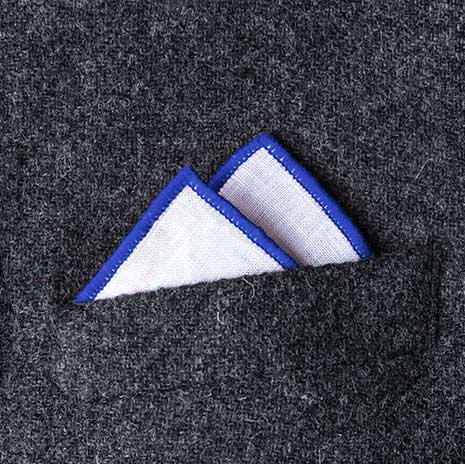
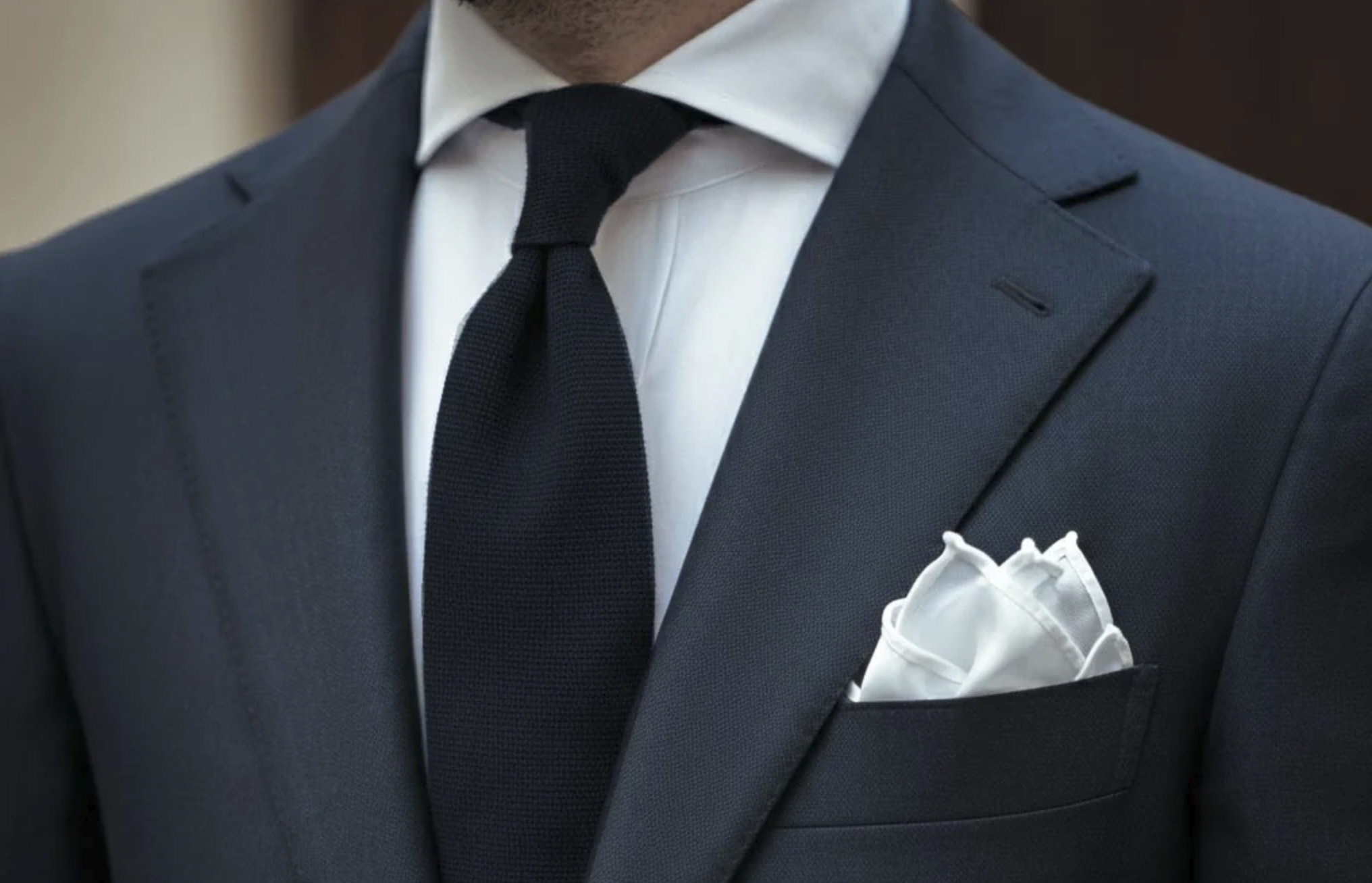
The classic Presidential Fold illustrates this philosophy perfectly. A simple strip of crisp white linen extending just above the pocket creates a clean horizontal line that complements rather than competes with the suit. It is understated without being invisible, confident without being boastful. Like a perfectly tied necktie or a finely polished Oxford shoe, it whispers instead of shouting. True sophistication rarely demands attention. It earns it quietly.
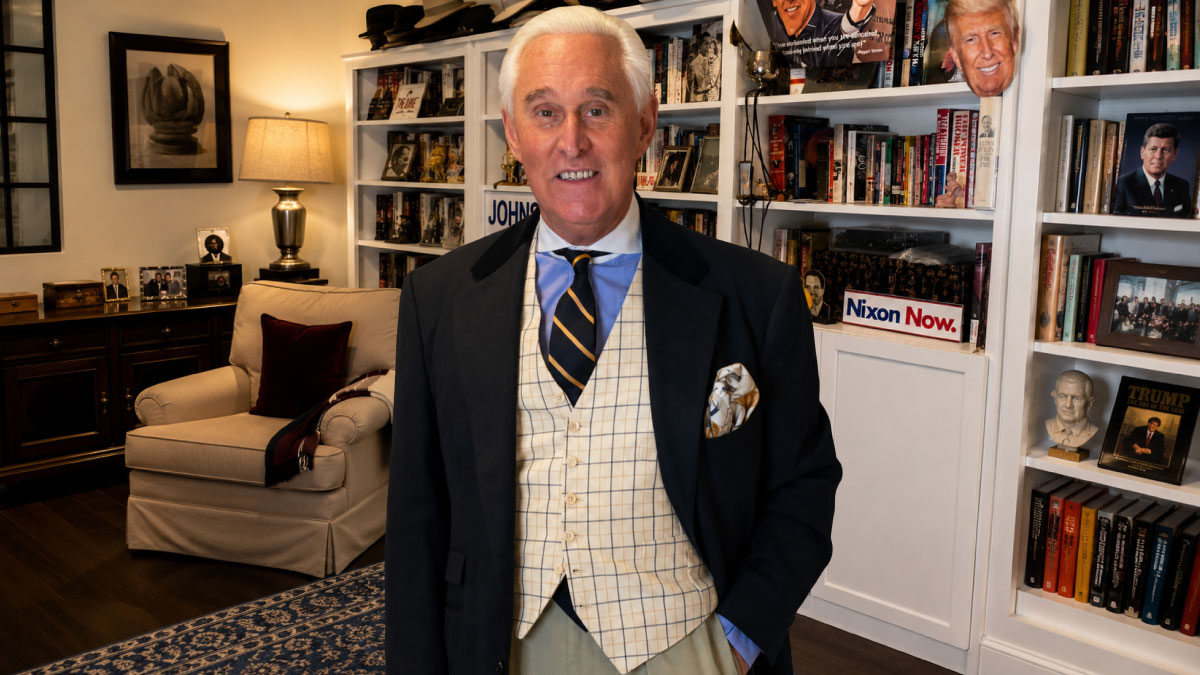
That does not mean every pocket square must appear rigid or identical. A softly rounded puff fold has its place with linen sport coats on summer evenings, while more expressive folds can complement festive occasions. The guiding principle, however, remains balance. The pocket square should look intentional rather than careless. Controlled rather than chaotic. Refined rather than improvised. There is an enormous difference between effortless elegance and simple neglect.
This distinction reflects something larger than clothing. Civilization itself depends upon order overcoming disorder. A library is more useful than a pile of books scattered across the floor. A beautifully landscaped garden surpasses an untended field of weeds. A symphony succeeds because every instrument follows the same score rather than playing at random. The pocket square embodies this same principle in miniature. It represents the triumph of structure over disorder, discipline over indifference, and craftsmanship over convenience.
Modern fashion often celebrates carelessness as authenticity. Wrinkled shirts, untucked jackets, sneakers with tailored suits, and deliberately disheveled styling are presented as expressions of individuality. Yet history teaches a different lesson. The men remembered for enduring style were not careless. They were deliberate. Cary Grant never appeared rumpled by accident. Fred Astaire understood that elegance required precision. The Duke of Windsor appreciated that the smallest details often left the strongest impression. Their style was not effortless because they ignored the details. It appeared effortless because they mastered them.
The pocket square remains one of the few surviving symbols of that philosophy. It costs little, requires no complicated instruction, and yet distinguishes the gentleman from the merely well dressed. In an age increasingly defined by haste, shortcuts, and casual indifference, that small square of folded linen reminds us that excellence still resides in the details.
A gentleman’s pocket square does not proclaim wealth or status. It reveals something far more valuable. It reflects a man who understands that order is preferable to chaos, that refinement is never obsolete, and that the smallest acts of discipline often leave the most lasting impression.