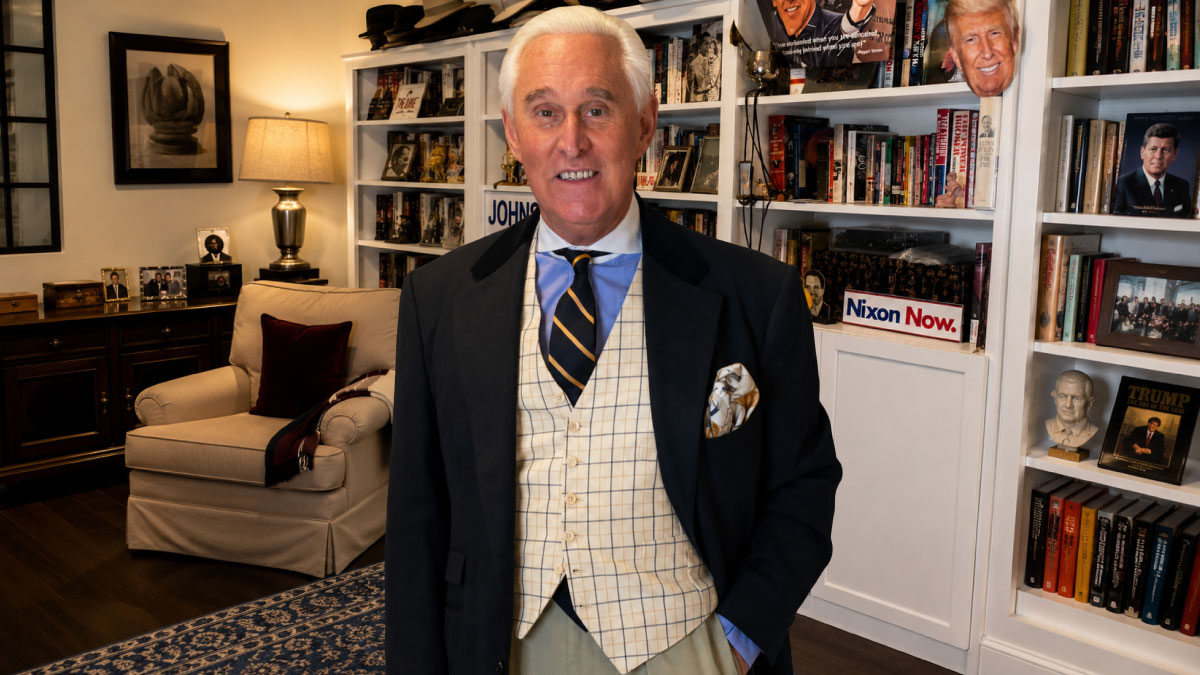

There was a time when a gentleman would no sooner leave his home without a waistcoat than without his watch, his wallet, or his dignity. Today, in an era that celebrates pajama pants on airplanes and sneakers in boardrooms, the waistcoat stands as a lasting emblem of masculine discipline. It is more than clothing. It signals standards, self-respect, and quiet authority. I believe elegance is intentional, and no garment reflects that better than the waistcoat.
The waistcoat dates to the 17th century when England emerged from civil war, plague, and the Great Fire of London. In 1666 King Charles II introduced the long vest as a permanent element of formal dress, inspired in part by refined Persian garments. Samuel Pepys recorded the King’s declaration, noting his intent that the style endure. More than three centuries later, it has.
Originally long and richly embroidered, the waistcoat evolved into a shorter, tailored garment that emphasized the masculine form. By the 18th century it was slimmer and more practical, accentuating broad shoulders and a narrow waist. In the Victorian era, it became central to the three piece suit. Industrialists, officers, financiers, and statesmen wore it not as ornament but as a uniform of discipline and responsibility.
Its practicality matched its elegance. It provided warmth, carried essentials, and allowed a man to remove his jacket while remaining properly dressed. Even the tradition of leaving the bottom button undone, often attributed to King Edward VII, reflects the enduring customs of menswear. Such details underscore a simple truth: masculinity is often expressed through precision, not excess.
The waistcoat represents preparation, structure, and confidence. It enhances the physique without vanity and reflects a mindset that values excellence. Civilizations are built by men who uphold standards, not abandon them. Modern menswear often promotes the opposite, equating carelessness with authenticity. History proves otherwise. The men who shaped nations and industries understood that presentation reinforces authority. A man who commands his appearance often commands greater responsibilities.
Today, the waistcoat remains a staple among those who value timeless style. It appears in boardrooms, courtrooms, and formal gatherings where appearance still matters. Whether at Royal Ascot, a wedding, or a business negotiation a well-fitted waistcoat projects composure and strength. Hollywood occasionally reinforces this truth. Figures like Henry Cavill demonstrate how a tailored waistcoat complements a masculine frame. Yet its benefits are universal. It sharpens posture, refines appearance, and reinforces confidence.
Versatile by design, the waistcoat can be worn with a full suit, paired with contrasting pieces, or styled without a jacket while maintaining refinement. In charcoal, navy, brown, or classic patterns, it signals intention and attention to detail. This is not vanity. It is discipline and respect for tradition. Clothing cannot replace character, but it reflects it. The men who built and defended civilization understood that dignity begins with self-respect.
Stone Swank celebrates garments that preserve this heritage. Classic menswear is not nostalgia; it is continuity. The waistcoat endures because true style does. It remains the mark of a man who dresses with purpose and understands that excellence never goes out of style.